Most people have experienced it.
A jacket that no longer feels quite right. Trousers that fit differently than they did a few years ago. A dress that remains in the wardrobe despite rarely being worn. The usual response is often to start shopping for something new.
But in many cases, the garment itself is not the problem.
The question worth asking first is whether the piece can be altered.
As consumers become more conscious of spending, clothing quality, and wardrobe sustainability, alterations are increasingly being viewed as a practical alternative to replacement. The challenge is knowing when an alteration makes sense and when it is time to move on.
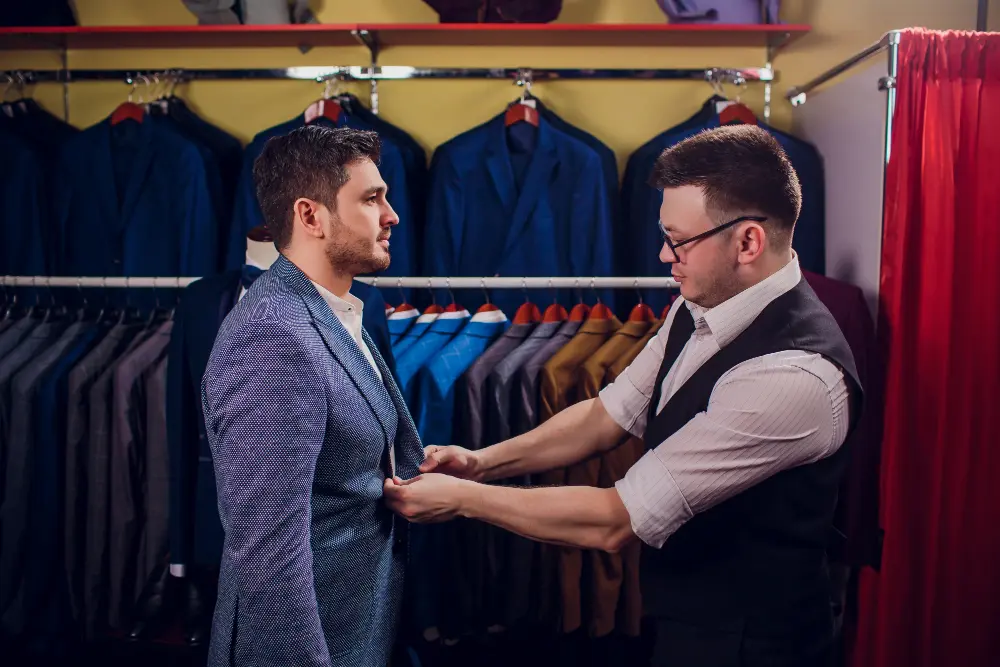
Start With the Quality of the Garment
The first consideration is construction.
A well-made blazer, dress, pair of trousers, or shirt often has far more potential than people realise. Quality fabrics, durable stitching, proper lining, and strong structural components provide a good foundation for alterations.
If the garment was originally well-made, adjusting the fit is often more cost-effective than trying to find a replacement of similar quality.
This is particularly relevant in Dubai, where many professionals invest in clothing for business meetings, events, and everyday work environments. Replacing an entire wardrobe because of minor fit issues can become expensive very quickly.
Fit Issues Are Usually Fixable
Many common problems can be corrected through alterations.
These include:
- Trouser length adjustments
- Waist suppression
- Sleeve shortening
- Shirt tapering
- Dress reshaping
- Jacket waist adjustments
- Hem modifications
- Minor repairs and restoration
What often feels like an outdated garment may simply be an outfit that no longer fits correctly.
A small adjustment can completely change how a piece looks and feels when worn.
Consider How Often You Wear It
Frequency matters.
If an outfit has already proven its value by being worn regularly, it is usually worth exploring alterations before replacement.
People often spend time searching for a replacement without considering that the original piece already suits their lifestyle, profession, and personal style.
The challenge may simply be that it needs updating.
an outfit that has served well for several years often deserves a second look before being retired.
When Replacement Makes More Sense
Not every outfit is worth saving.
Replacement may be the better option when:
- Fabric is heavily worn or damaged
- Significant structural issues exist
- The outfit is several sizes away from the required fit
- Repair costs exceed the outfit’s value
- The style no longer suits your needs
A good tailor will usually be honest about whether alterations are worthwhile.
The goal is not to alter everything. The goal is to make sensible decisions that improve the overall wardrobe.
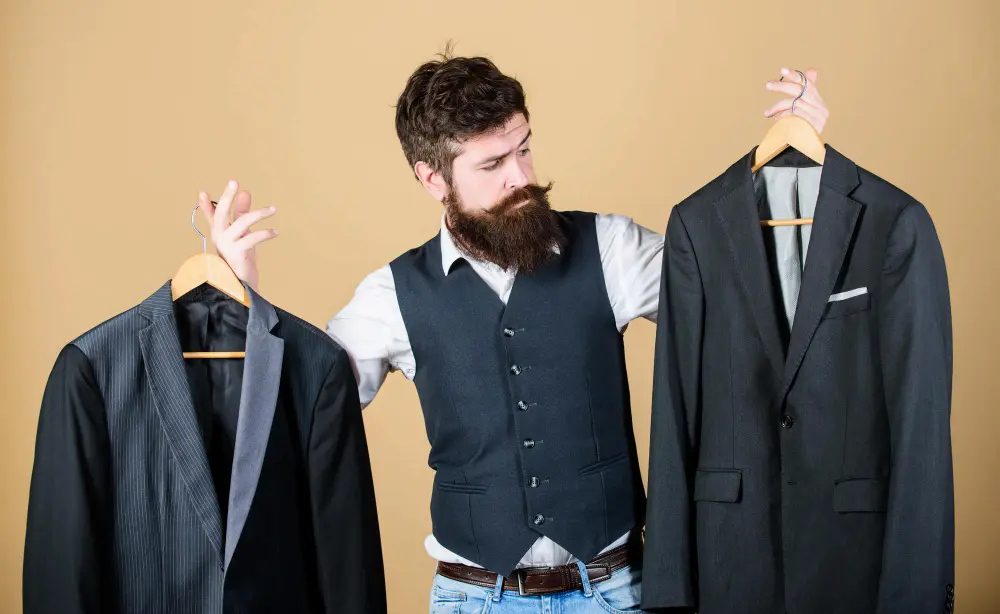
Alterations Support Smarter Wardrobe Management
One of the biggest misconceptions is that alterations are only useful when something is damaged.
In reality, alterations often play a role in wardrobe planning.
Professionals frequently alter outfits to:
- improve fit,
- update proportions,
- extend clothing lifespan,
- prepare for important events,
- and reduce unnecessary purchases.
Rather than constantly replacing clothing, many people are becoming more selective about what they keep and how they maintain it.
This approach creates a wardrobe that works harder without continuously growing larger.
The Long-Term Value of Alterations
The decision to alter or replace is rarely just about cost.
It is also about convenience, quality, and practicality.
Finding a replacement outfit that fits properly often requires time, multiple shopping trips, and additional spending. Altering an existing piece can often achieve the same result while preserving an outfit that is already familiar and comfortable to wear.
At Near Tailors, alterations are viewed as part of a broader approach to wardrobe management. Through clothing alterations, wardrobe consultations, and personal styling services, the focus is helping clients make better decisions about what they already own before immediately looking for something new.
For many outfits, the best replacement may not be a replacement at all.
FAQs
1. How do I know if an outfit is worth altering?
an outfit is usually worth altering if the fabric quality remains good and the required changes involve fit adjustments rather than major structural reconstruction. At Near Tailors, clients often bring outfits for assessment before deciding whether alterations or replacement offers better value.
2. What are the most common clothing alterations in Dubai?
Some of the most requested clothing alterations in Dubai include trouser hemming, sleeve shortening, waist adjustments, dress reshaping, jacket tapering, and shirt alterations. These changes often improve comfort and appearance without requiring a new purchase.
3. Can alterations make old clothes look modern again?
Yes. Many outfits can be updated through alterations that adjust proportions, fit, and silhouette. Near Tailors frequently helps clients modernise existing clothing through professional garment alterations and wardrobe consultation services.
4. Are clothing alterations more affordable than buying new clothes?
In many cases, yes. Alterations can extend the life of quality outfits and reduce the need for replacement purchases. The value becomes even greater when altering businesswear, occasion wear, or premium clothing.
5. Does Near Tailors provide wardrobe consultation alongside alterations?
Yes. Near Tailors offers wardrobe consultation services that help clients evaluate which outfits should be altered, repaired, restyled, or replaced. This approach supports smarter wardrobe management and more efficient clothing decisions.