

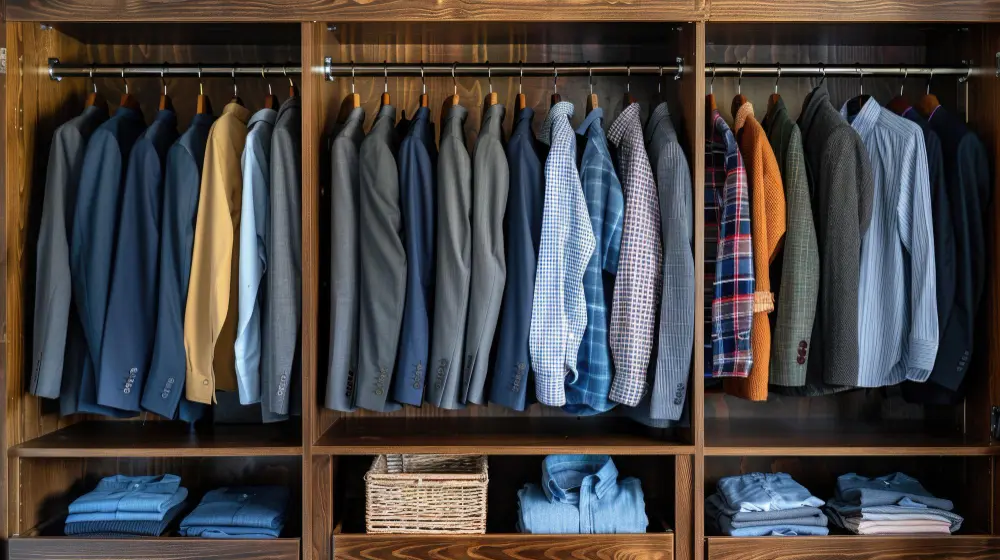
For years, fashion was largely driven by constant consumption.
New collections arrived every few weeks, trends moved quickly, and wardrobes often expanded faster than they were actually used. Buying something new became the easiest solution to almost every clothing-related problem.
If an outfit felt repetitive, buy something new.
If a garment no longer fit perfectly, replace it.
If a trend changed, move on.
While fast fashion remains a major part of the industry, consumer behaviour is beginning to evolve. More people are taking a closer look at how their wardrobes function over time, leading to a growing interest in long-term wardrobe planning.
The focus is gradually shifting from acquiring more clothing to building wardrobes that work more effectively.
The Problem With Constant Purchasing
Many people assume that a larger wardrobe automatically creates more outfit options.
In practice, the opposite often happens.
Wardrobes become crowded with garments purchased for specific occasions, short-lived trends, impulse purchases, or situations that rarely occur again. Over time, finding useful combinations becomes more difficult, not easier.
This often leads to a frustrating cycle where people continue shopping despite already owning plenty of clothing.
The issue is rarely a lack of garments.
More often, it is a lack of strategy.
What Long-Term Wardrobe Planning Actually Means
Long-term wardrobe planning is not about owning fewer clothes simply for the sake of it.
It is about understanding how clothing fits into everyday life.
Instead of focusing on individual purchases, the focus shifts toward questions such as:
- What do I wear most often?
- Which garments consistently perform well?
- What pieces work across multiple situations?
- Which items rarely leave the wardrobe?
- What gaps genuinely exist?
The goal is to create a wardrobe that reflects real habits rather than aspirational shopping decisions.
Versatility Becomes More Important
One of the biggest differences between fast fashion and long-term wardrobe planning is the value placed on versatility.
A garment that only works for one specific occasion has a limited role.
A garment that works for business meetings, dinners, travel, social events, and everyday wear naturally becomes more valuable.
This is why many people are becoming more selective about what they buy.
The question is no longer simply whether they like a garment.
The question is whether they will actually wear it regularly.
Alterations Play an Important Role
Long-term wardrobe planning is not only about purchasing decisions.
It is also about maintaining existing clothing.
Many garments stop being worn because of relatively minor fit issues. Trousers become slightly loose. A jacket feels restrictive. A dress no longer sits correctly.
These situations often lead to replacement purchases when alterations could solve the problem.
By adjusting fit and extending garment lifespan, alterations help wardrobes remain functional for longer.
As a result, clothing remains in rotation instead of being discarded prematurely.
Wardrobe Planning Often Reduces Unnecessary Shopping
One of the most surprising outcomes of wardrobe consultations is how often people discover they already own many of the garments they need.
The challenge is usually organisation, fit, or styling rather than a lack of clothing.
When people gain a clearer understanding of their wardrobe, purchasing decisions become easier.
Shopping becomes more targeted.
Impulse purchases become less common.
Garments tend to serve a clearer purpose.
The result is often a wardrobe that works better without becoming larger.
Sustainability Is Becoming Part of the Conversation
The growing interest in wardrobe planning is also connected to sustainability.
Many consumers are becoming more conscious of clothing lifespan and overall consumption habits. Rather than focusing solely on buying sustainably, they are paying greater attention to how long garments remain useful after purchase.
Long-term wardrobe planning naturally supports this mindset.
When clothing is chosen carefully, maintained properly, altered when necessary, and worn consistently, fewer replacements are required over time.
This approach benefits both wardrobes and spending habits.
Why More People Are Thinking Long-Term
The shift away from fast fashion is not necessarily about rejecting trends or eliminating shopping.
It is about making clothing decisions that remain useful beyond a single season.
Consumers are becoming more interested in value, versatility, and longevity. They want wardrobes that support their lifestyles without requiring constant replacement.
This change reflects a broader shift in how people think about consumption overall.
Instead of asking, “What should I buy next?” many are starting to ask, “How can I make better use of what I already have?”
A More Practical Approach to Building a Wardrobe
Long-term wardrobe planning encourages a different relationship with clothing.
It focuses on quality over quantity, versatility over novelty, and maintenance over unnecessary replacement.
At Near Tailors, wardrobe consultation, personal styling, and clothing alterations all support this approach. Near Tailors in UAE works with clients to evaluate existing wardrobes, identify opportunities for improvement, and make more informed clothing decisions that remain useful over the long term.
A wardrobe does not become stronger because it contains more garments.
It becomes stronger when the garments inside it continue to earn their place.
FAQs
1. What is long-term wardrobe planning?
Long-term wardrobe planning is the process of building and maintaining a wardrobe based on lifestyle, versatility, and clothing longevity rather than short-term trends or impulse purchases.
2. How is wardrobe planning different from fast fashion shopping?
Fast fashion often focuses on frequent purchases and trend-driven consumption. Wardrobe planning focuses on selecting garments that serve multiple purposes, remain useful over time, and work well together.
3. Can wardrobe consultations help reduce unnecessary shopping?
Yes. Wardrobe consultation services help identify existing wardrobe strengths, genuine clothing gaps, and opportunities to improve what already exists before purchasing new items.
4. How do alterations support long-term wardrobe planning?
Clothing alterations help extend the lifespan of garments by improving fit and functionality. This allows clothing to remain in regular use for longer instead of being replaced unnecessarily.
5. Does Near Tailors in UAE offer wardrobe planning services?
Yes. Near Tailors in UAE provides wardrobe consultation, personal styling, and clothing alteration services designed to help clients build more functional and long-lasting wardrobes.