

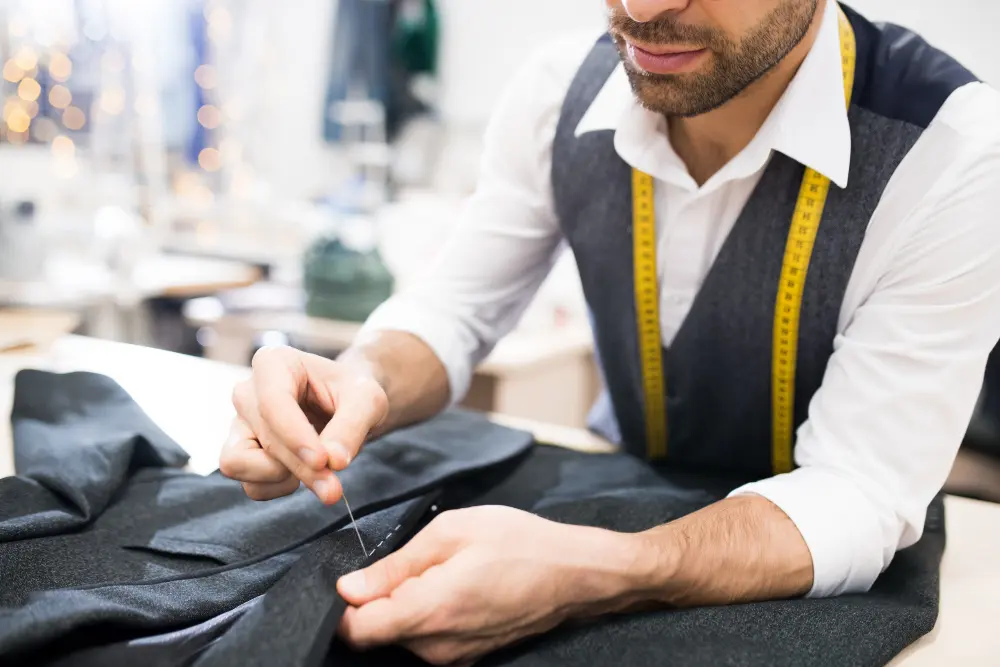
Sustainable fashion has become one of the most discussed topics in the clothing industry.
Brands promote sustainable collections. Consumers are encouraged to shop responsibly. Marketing campaigns frequently highlight eco-friendly materials, ethical production, and environmental commitments.
While these conversations have increased awareness, they have also created confusion.
Many people associate sustainable fashion with buying specific products, supporting certain brands, or completely changing their shopping habits. As a result, sustainability can sometimes feel complicated, expensive, or difficult to achieve.
In reality, the concept is often much simpler.
The most practical form of sustainable fashion is not necessarily buying different clothes. It is making better use of the clothes that already exist.
Sustainability Begins After the Purchase
Much of the fashion industry’s sustainability conversation focuses on what happens before a garment reaches the customer.
Where was it produced?
What materials were used?
How was it manufactured?
These questions are important, but they represent only part of the picture.
What happens after purchase is equally significant.
A garment that is worn regularly for many years generally creates more value than one that is worn only a handful of times before being discarded, regardless of how it was marketed.
This is why clothing lifespan has become an increasingly important part of the sustainability discussion.
The Most Sustainable Garment May Already Be in Your Wardrobe
Consumers are often encouraged to think about sustainability through future purchases.
A different perspective is to look at existing clothing first.
Many wardrobes contain garments that remain in excellent condition but are rarely worn because:
- The fit is no longer right
- Styling feels outdated
- Minor repairs are required
- The garment has been forgotten
- It no longer feels relevant to current needs
These situations do not necessarily require replacement.
In many cases, alterations, repairs, or styling adjustments can bring garments back into regular use.
Extending the life of clothing that already exists is one of the most accessible forms of sustainable fashion.
Sustainability Is Not About Perfection
One reason some people disengage from sustainability conversations is because they feel pressured to make dramatic changes.
Replace an entire wardrobe.
Only buy certain brands.
Follow strict purchasing rules.
For most people, this is unrealistic.
A more practical approach focuses on gradual improvements.
This might include:
- Altering clothing instead of replacing it
- Repairing damaged garments
- Buying less frequently
- Choosing garments that work across multiple situations
- Maintaining clothing properly
These decisions may seem small individually, but they can have a meaningful impact over time.
Why Clothing Longevity Matters
Fashion discussions often focus on acquisition.
How much clothing is being purchased.
Which trends are emerging.
What consumers should buy next.
Long-term wardrobe value receives far less attention.
A garment’s lifespan often determines its true value.
Consider two jackets.
One is worn consistently for eight years.
The other is worn three times before being forgotten.
The difference is not necessarily the purchase price. It is the usefulness of the garment over time.
This is one reason many consumers are becoming more interested in wardrobe planning, clothing maintenance, and alterations.
The goal is not simply to own clothing. The goal is to continue using it.
The Role of Alterations in Sustainable Fashion
Alterations rarely appear in major sustainability campaigns.
Yet they play an important role in extending garment lifespan.
Body measurements change.
Preferences evolve.
Professional requirements shift.
Without alterations, many garments would leave wardrobes long before their fabric or construction reaches the end of its useful life.
Simple adjustments such as:
- Trouser tapering
- Sleeve shortening
- Waist adjustments
- Dress reshaping
- Garment restoration
can allow clothing to remain relevant for years longer than originally expected.
This makes alterations one of the most practical sustainability tools available to consumers.
Wardrobe Planning Is Part of Sustainability Too
Sustainability is not only about maintaining existing clothing.
It is also about making better future decisions.
People who understand their wardrobes tend to shop differently.
They purchase fewer duplicates.
They identify genuine wardrobe gaps.
They focus on versatility rather than impulse purchases.
As a result, wardrobes become more efficient and clothing tends to stay in use for longer.
This is where wardrobe consultation and personal styling can contribute to more sustainable habits without requiring major lifestyle changes.
Looking Beyond Sustainability as a Trend
Sustainable fashion is often presented as a movement.
For many consumers, however, it is becoming something more practical.
It is about reducing waste, improving value, extending garment lifespan, and making more informed clothing decisions.
At Near Tailors, sustainability is closely connected to clothing longevity. Through alterations, garment repairs, personal styling, and wardrobe consultation services, Near Tailors in UAE helps clients maximise the value of clothing they already own before considering replacement.
The future of sustainable fashion may not depend entirely on buying different garments.
It may depend just as much on keeping good garments in use for longer.
FAQs
1. What does sustainable fashion actually mean?
Sustainable fashion focuses on reducing waste and improving the lifespan of clothing. This can include buying more thoughtfully, maintaining garments properly, repairing clothing, and extending garment life through alterations.
2. How do clothing alterations support sustainable fashion?
Clothing alterations help garments remain wearable for longer by improving fit, restoring functionality, and adapting clothing to changing needs. This reduces unnecessary replacement purchases and supports clothing longevity.
3. Is sustainable fashion only about buying eco-friendly clothing?
No. Sustainable fashion also involves how clothing is used after purchase. Extending the life of existing garments is often one of the most practical ways to reduce fashion waste.
4. Can wardrobe consultations help create a more sustainable wardrobe?
Yes. Wardrobe consultation services help identify clothing that can be altered, repaired, restyled, or worn more effectively, reducing unnecessary shopping and improving wardrobe efficiency.
5. Does Near Tailors in UAE support sustainable wardrobe management?
Yes. Near Tailors in UAE provides clothing alterations, garment repairs, personal styling, and wardrobe consultation services that help clients extend the lifespan of their clothing and make more informed wardrobe decisions.