

Fashion habits rarely change overnight.
Most shifts happen gradually as people’s routines, priorities, and daily environments evolve. The clothes someone relied on five years ago may no longer suit their current lifestyle, not because their taste has changed dramatically, but because the way they live and work has changed.
Across the UAE, these lifestyle shifts are influencing everything from how people shop to how they build and maintain their wardrobes.
The result is a noticeable move away from occasion-driven purchasing and towards clothing that serves a wider range of needs.
Workplaces Have Become More Flexible
One of the biggest influences on fashion habits has been the evolution of workplace culture.
Many professionals now move between offices, client meetings, co-working spaces, business travel, and remote work environments throughout the same week.
This has created demand for clothing that feels appropriate across different settings.
Instead of maintaining separate wardrobes for work, social events, and travel, many people are looking for garments that can transition between multiple situations.
Versatility is becoming increasingly valuable because lifestyles themselves have become less predictable.
People Are Thinking Differently About Value
There was a time when wardrobe decisions were often driven by quantity.
Owning more options felt like having a better wardrobe.
Increasingly, consumers are evaluating clothing through a different lens.
Questions such as:
- How often will I wear this?
- Does it work across different situations?
- Will it still be useful in a few years?
- Does it fit into the rest of my wardrobe?
are becoming more common.
This shift reflects a growing focus on long-term value rather than short-term excitement.
Convenience Is Influencing Clothing Decisions
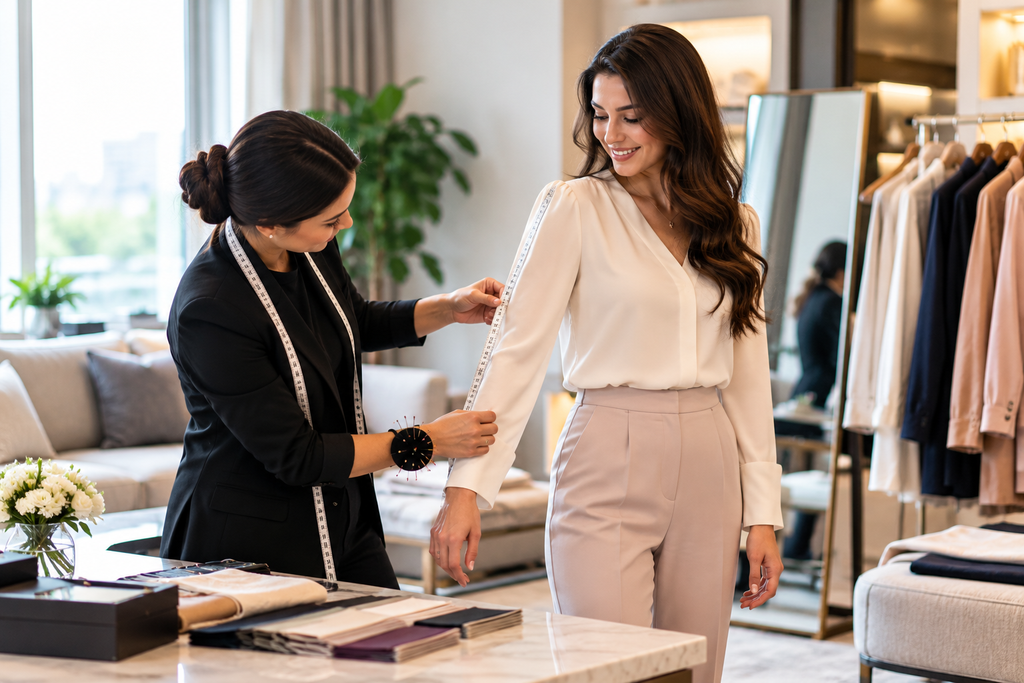
Lifestyle changes are not only affecting what people wear. They are also affecting how people buy clothing.
Busy schedules have increased demand for services that reduce time and effort.
Home tailoring services, wardrobe consultations, personal styling appointments, and appointment-based fashion services have all grown because they fit more naturally into modern routines.
Consumers are becoming more selective about where they spend their time, and fashion services are adapting accordingly.
Shopping Is Becoming More Purposeful
Impulse purchases have always been part of fashion.
However, many consumers are becoming more deliberate about their buying decisions.
Rather than shopping for the sake of adding something new, there is increasing interest in solving specific wardrobe needs.
People want to know:
- What role will this garment play?
- How often will it be worn?
- Does it fill a genuine gap?
- Can it be styled in multiple ways?
This approach often results in fewer purchases but more useful wardrobes.
Personal Style Is Becoming More Practical
Lifestyle shifts have also influenced how people think about personal style.
For many years, fashion was often associated with trends and seasonal changes.
While trends still exist, many professionals are becoming more interested in practicality.
They want clothing that supports their schedule, travels well, remains comfortable throughout the day, and works across multiple environments.
As a result, personal style is becoming less about following trends and more about creating consistency.
Alterations Are Playing a Bigger Role
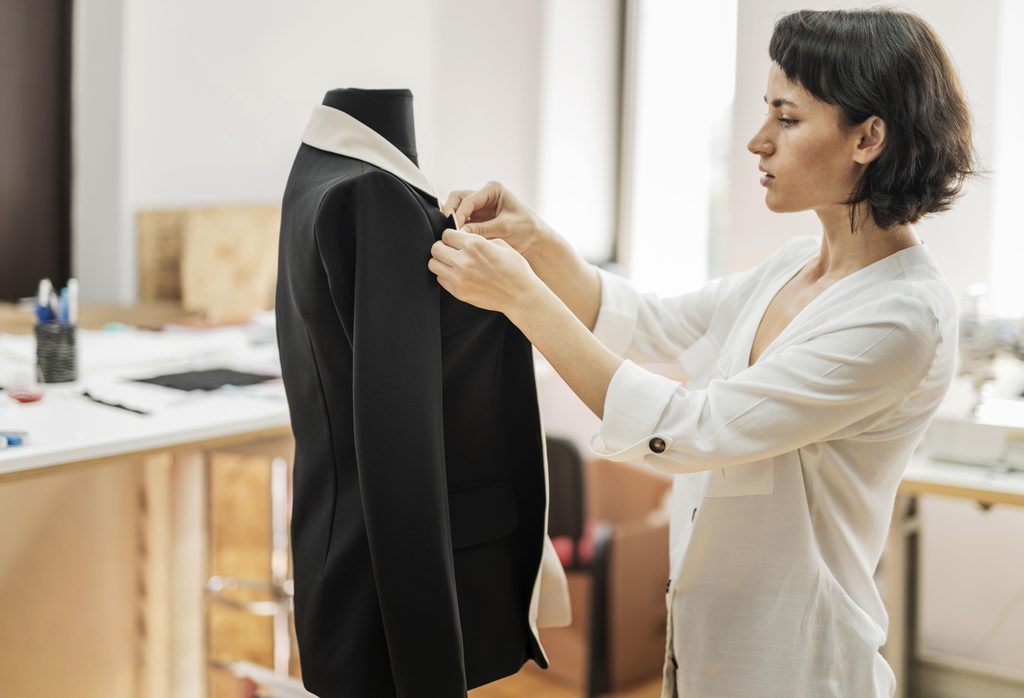
Changing lifestyles often create changing wardrobe requirements.
A jacket purchased for a previous role may need updating.
Trousers that worked in a formal office environment may require adjustments for a different setting.
A dress that has not been worn for years may become relevant again with a few alterations.
Rather than replacing clothing immediately, many people are exploring ways to adapt existing garments to their current lifestyle.
This has contributed to growing demand for clothing alterations and wardrobe consultation services.
Wardrobes Are Becoming Smaller but More Effective
An interesting outcome of these lifestyle changes is that many people are becoming less focused on expanding their wardrobes.
Instead, they are concentrating on improving them.
A wardrobe that contains twenty highly functional garments often provides more flexibility than one containing fifty rarely worn items.
This does not necessarily mean owning less clothing.
It means placing greater importance on usefulness.
Consumers are becoming more interested in wardrobes that are easier to manage, easier to wear, and easier to maintain.
Fashion Habits Reflect Life Habits
Clothing choices are often a reflection of how people spend their time.
As work patterns, travel habits, family responsibilities, and personal priorities continue to evolve, wardrobes naturally evolve alongside them.
This is why many of the biggest changes in fashion today have less to do with trends and more to do with lifestyle.
People are building wardrobes around the realities of their daily lives rather than around occasional moments.
At Near Tailors, these shifts can be seen through growing interest in wardrobe consultation, personal styling, clothing alterations, and home tailoring services. Near Tailors in UAE helps clients adapt their wardrobes to changing lifestyles, ensuring clothing continues to support how they live and work today.
The most useful wardrobes are rarely built around fashion trends alone.
They are built around the lives people actually lead.
FAQs
1. How do lifestyle changes affect fashion habits?
Lifestyle changes influence what people wear, how often they shop, and the types of clothing they prioritise. Work patterns, travel schedules, and personal responsibilities all play a role in shaping wardrobe decisions.
2. Why are consumers becoming more focused on versatile clothing?
Many people move between different environments throughout the week, making versatile garments more practical than clothing designed for a single purpose or occasion.
3. How can wardrobe consultations help with changing lifestyle needs?
Wardrobe consultations help assess existing clothing, identify gaps, and ensure wardrobes align with current professional, social, and personal requirements.
4. Do alterations help adapt clothing to lifestyle changes?
Yes. Clothing alterations can update fit, improve comfort, and help existing garments remain relevant as lifestyle needs evolve.
5. Does Near Tailors in UAE offer services that support changing wardrobe needs?
Yes. Near Tailors in UAE provides wardrobe consultation, personal styling, home tailoring, and clothing alteration services designed to help clients adapt their wardrobes to changing lifestyles.