

For many years, replacing something was often easier than repairing it.
Whether it was clothing, electronics, furniture, or household items, convenience and accessibility encouraged a culture of replacement. When something became worn, outdated, or slightly damaged, buying a new version often seemed like the simplest solution.
That mindset is beginning to shift.
Across the UAE, consumers are becoming more selective about how they spend, what they keep, and how they manage the things they own. While purchasing habits continue to evolve, there is growing interest in extending the lifespan of products rather than immediately replacing them.
This change is contributing to the rise of what is often referred to as repair culture.
A Practical Response to Modern Consumption
Repair culture is not necessarily driven by nostalgia or a rejection of modern shopping habits.
In many cases, it is simply a practical response to how people are reassessing value.
Consumers are becoming more conscious of questions such as:
- How long will this last?
- Can this be repaired?
- Is replacement actually necessary?
- Does this still serve its purpose?
These considerations are increasingly influencing decisions across multiple industries, including fashion.
Rather than viewing clothing as disposable, many people are looking for ways to maintain, restore, and improve garments they already own.
Clothing Often Has More Life Left Than People Assume
One of the biggest misconceptions about clothing is that wear automatically means replacement.
A missing button, loose hem, worn lining, outdated fit, or minor tear can make a garment feel finished, even when the fabric and overall construction remain perfectly usable.
In reality, many of these issues can be addressed through alterations and repairs.
A blazer that no longer fits correctly can be adjusted. Trousers can be reshaped. Dresses can be altered. Shirts can be repaired and updated.
The garment itself may still have years of potential use remaining.
As consumers become more aware of these possibilities, repair is becoming a more natural part of wardrobe management.
Quality Is Becoming More Important Than Quantity
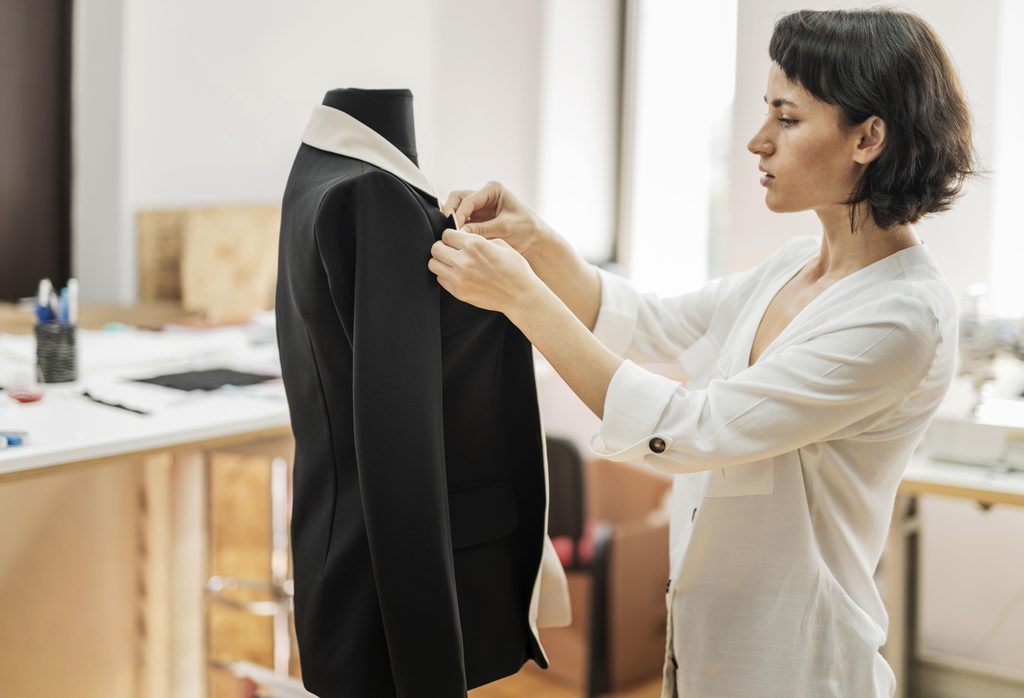
Another factor driving repair culture is the growing focus on quality.
Many people are becoming more selective about what they buy. Instead of frequently replacing garments, there is greater interest in maintaining pieces that already perform well.
A jacket that has served reliably for years often feels worth preserving.
A favourite dress may carry practical value because it consistently works for specific occasions.
Well-fitting businesswear that meets professional requirements can be hard to replace with the same comfort and familiarity.
As a result, repair and alteration services are becoming part of how people protect these investments.
Sustainability Without Drastic Lifestyle Changes
Conversations around sustainability are often associated with major lifestyle changes.
The reality is usually much simpler.
For many consumers, sustainability starts with extending the lifespan of existing products.
Repairing clothing instead of replacing it immediately can reduce waste while making better use of resources that have already been invested in producing the garment.
This approach feels achievable because it does not require people to completely change how they shop. It simply encourages more thoughtful decisions before replacement occurs.
In this sense, repair culture is as much about practicality as it is about sustainability.
The Role of Alterations in Repair Culture
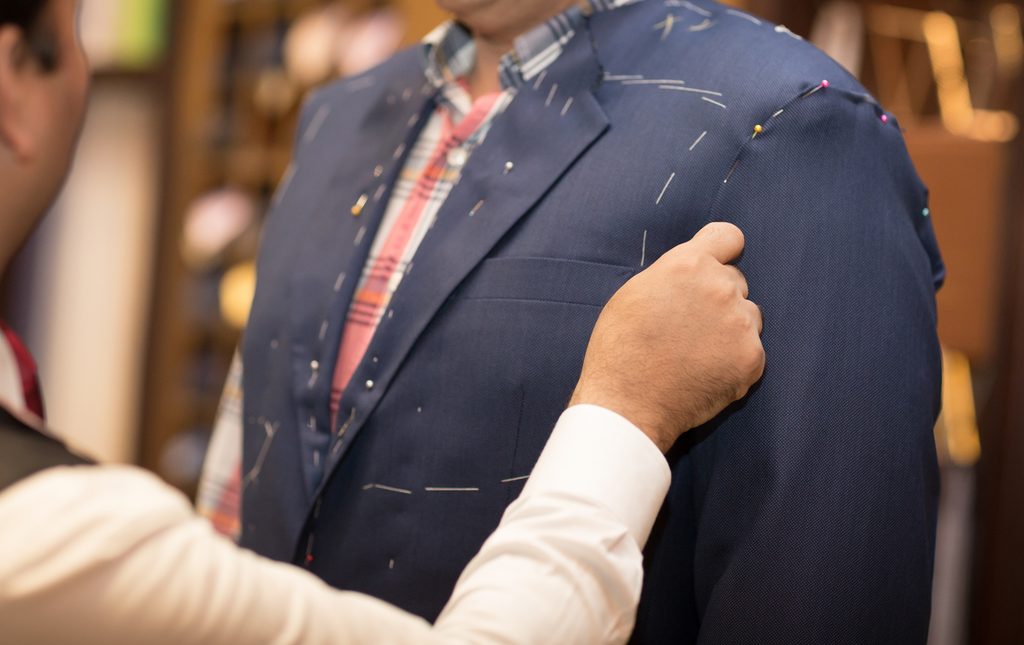
Alterations and repairs often work together.
A garment that requires repair may also benefit from fit adjustments. Similarly, a garment being altered may present opportunities for restoration at the same time.
This broader approach allows clothing to remain relevant and wearable for longer.
Instead of focusing solely on fixing damage, repair culture encourages people to think about how garments can continue evolving alongside changing needs and preferences.
The result is a wardrobe that remains useful for longer rather than being replaced unnecessarily.
Repair Culture Reflects Changing Consumer Priorities
The rise of repair culture in the UAE reflects a wider shift in consumer behaviour.
People are becoming increasingly interested in longevity, practicality, and value. They are asking more questions about lifespan and fewer questions about replacement.
This trend can be seen across fashion, home goods, technology, and personal services.
Consumers are not necessarily buying less. They are simply becoming more thoughtful about what deserves to stay in use.
Looking at Clothing Differently
Repair culture is changing the way people think about their wardrobes.
Instead of viewing garments as temporary purchases, more consumers are beginning to see them as assets that can be maintained, improved, and extended over time.
At Near Tailors, clothing alterations, garment repairs, personal styling, and wardrobe consultation services all support this approach. Near Tailors in UAE works with clients to identify opportunities to restore, adjust, and extend the life of garments before replacement becomes necessary.
Sometimes the most valuable addition to a wardrobe is not a new purchase. It is making better use of something already hanging inside it.
FAQs
1. What is repair culture in fashion?
Repair culture refers to the growing preference for repairing, altering, and maintaining clothing instead of immediately replacing it. This approach helps extend garment lifespan and supports more sustainable wardrobe habits.
2. Why is repair culture becoming more popular in the UAE?
Many consumers are becoming more conscious of value, clothing quality, and long-term spending. Repairing and altering garments often makes more sense than replacing items that are still structurally sound.
3. What types of clothing can be repaired or altered?
Common examples include jackets, trousers, dresses, shirts, skirts, suits, and formalwear. Services may include garment repairs, clothing alterations, hemming, resizing, lining replacement, and fit adjustments.
4. How do clothing alterations support sustainability?
Clothing alterations help extend the lifespan of garments, reduce unnecessary purchases, and minimise fashion waste. Keeping garments in use for longer is one of the most practical ways to build a more sustainable wardrobe.
5. Does Near Tailors in UAE offer garment repairs and alterations?
Yes. Near Tailors in UAE provides clothing alterations, garment repairs, wardrobe consultation, and personal styling services to help clients maximise the value and lifespan of their existing wardrobes.