

A well-fitted suit is one of the most powerful pieces in a man’s wardrobe. Whether it’s for work, a wedding, a formal dinner, or a social event, the right suit can instantly improve confidence and style. However, not all suits are meant for the same purpose. Understanding how to choose the right suit for different occasions helps you look appropriate, polished, and comfortable.
Here’s a complete guide to selecting the perfect suit based on event type, fit, fabric and styling.
1. Business and Office Suits
Professional environments call for suits that are clean, structured, and conservative in style.
Best choices:
- Colors: Navy, charcoal grey, dark grey
- Fabric: Wool or wool blends
- Fit: Slim fit or tailored fit
- Style: Single-breasted, two-button jacket
These suits are versatile and can be worn with different shirts and ties. Avoid bold patterns or flashy colors in corporate settings.
2. Wedding Suits
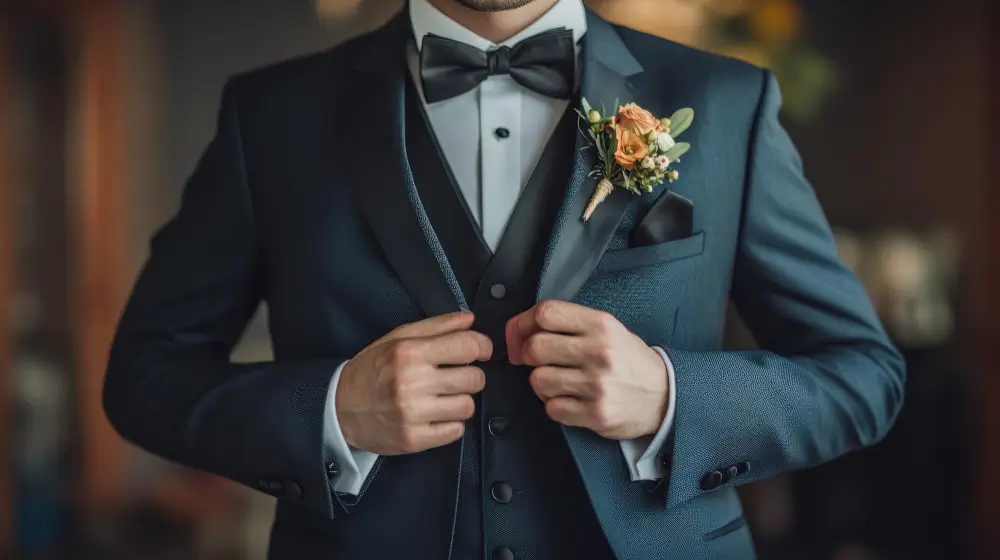
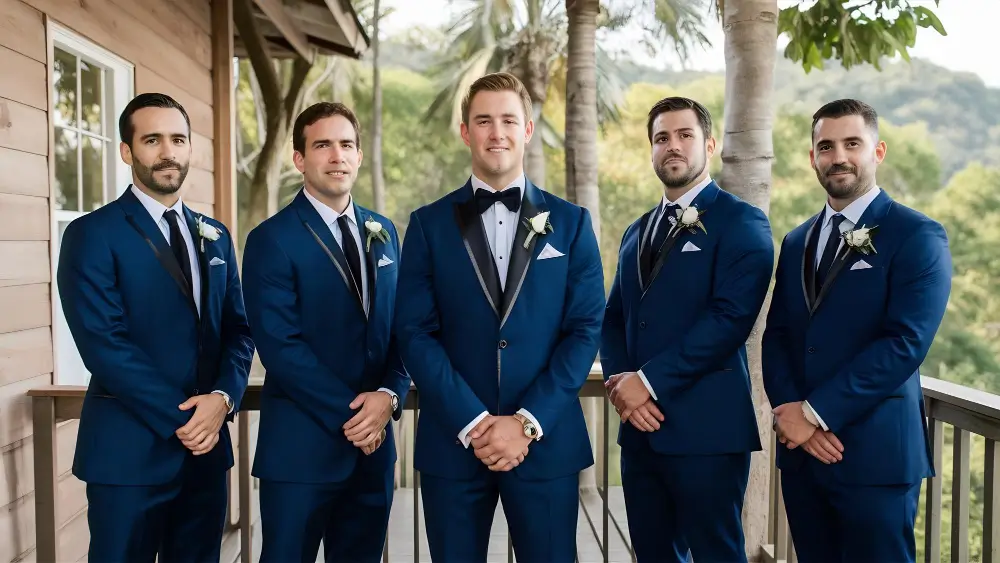
Wedding suits allow more room for personality and style compared to office wear.
Groom suit options:
- Navy or midnight blue for a classic look
- Light grey or beige for daytime weddings
- Three-piece suits for added elegance
Guest suit tips:
- Avoid wearing black unless it’s a formal evening wedding
- Match the suit tone to the wedding theme and venue
Fabric choice matters too — breathable materials help during long ceremonies and celebrations.
3. Formal Event Suits
Black-tie or formal evening events require a more refined approach.
Ideal choices:
- Tuxedo or dinner jacket
- Black or deep midnight blue
- Satin lapels for added sophistication
Formal suits should always be paired with polished dress shoes and minimal accessories.
4. Casual and Social Event Suits
Suits aren’t just for formal settings anymore. Modern styling allows suits to be worn casually with a relaxed touch.
Casual suit ideas:
- Lighter colors like tan, olive, or light grey
- Cotton or linen fabrics
- Paired with loafers or clean sneakers
- Worn with a t-shirt or open-collar shirt
This type of suit works well for dinners, parties, or smart-casual gatherings.
5. Seasonal Suit Selection
Weather plays a major role in comfort.
Summer suits:
- Linen, cotton, or lightweight wool
- Light colors to reflect heat
Winter suits:
- Heavier wool, tweed, or flannel
- Darker tones like burgundy, navy, or deep grey
Choosing the right fabric ensures comfort while maintaining style.
6. Understanding Suit Fit
Fit is more important than brand. A properly fitted suit enhances body shape and posture.
Main fit types:
- Slim Fit – Close to the body, modern style
- Tailored Fit – Balanced, comfortable yet sharp
- Regular Fit – Traditional and relaxed
A suit should sit cleanly on the shoulders, with sleeves and trousers at the correct length.
7. Choosing the Right Suit Color
Color selection affects where and how often a suit can be worn.
Versatile colors:
- Navy – Works for business and weddings
- Grey – Flexible for most occasions
- Black – Best for formal or evening events
Avoid extremely bright colors unless the event theme allows it.
8. Suit Details That Make a Difference
Small design elements can change the suit’s overall look.
- Lapel style: Notch (versatile), Peak (formal), Shawl (tuxedos)
- Vents: Double vents offer better movement
- Buttons: Two-button jackets are the most modern
These details help define whether a suit leans more formal or modern.
9. Accessorizing Your Suit Properly
Accessories complete the outfit but should not overpower it.
Essential accessories:
- Tie or pocket square
- Dress watch
- Leather belt matching the shoe color
- Minimal cufflinks for formal events
Keep colors coordinated and avoid too many patterns at once.
10. Invest in Tailoring
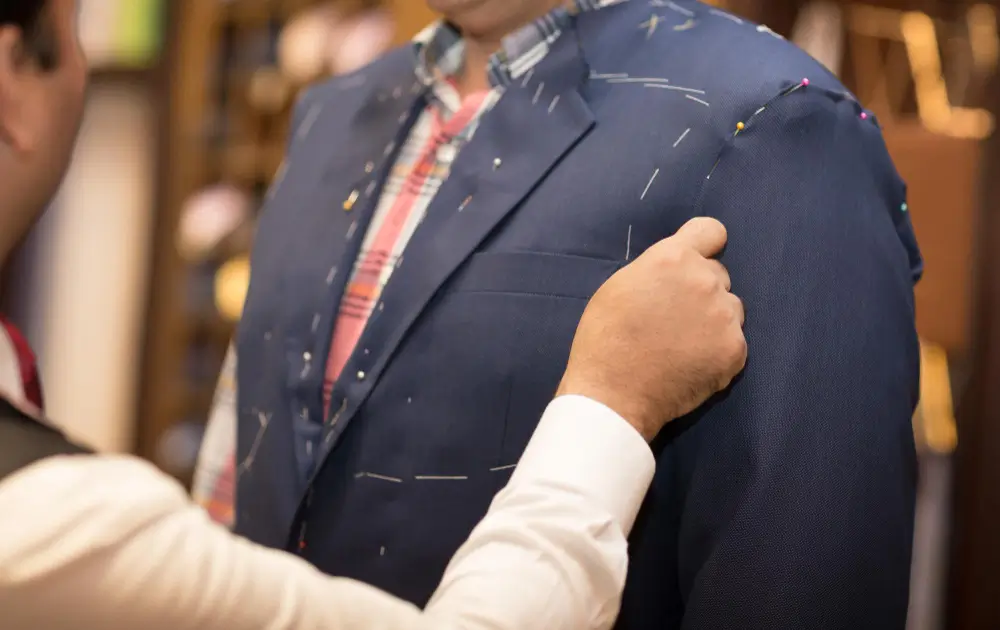
Even the most expensive suit can look ordinary if it doesn’t fit correctly. Off-the-rack suits are made using standard measurements, but every body is different. Professional tailoring adjusts the suit to your exact proportions, improving both comfort and appearance.
Key areas a tailor can refine include:
- Sleeve Length: Jacket sleeves should end just above the wrist bone, allowing about half an inch of shirt cuff to show.
- Jacket Fit: The jacket should contour your torso without pulling at the buttons or creating wrinkles around the chest and shoulders.
- Waist Suppression: A slight taper at the waist creates a sharper silhouette and avoids a boxy look.
- Trouser Break: The hem of the trousers should rest neatly on the shoe, creating a clean line without excessive bunching.
- Shoulder Alignment: While shoulders are harder to alter, ensuring they sit properly is crucial for overall structure.
Tailoring also improves how the suit moves with your body, preventing stiffness and discomfort. A well-tailored suit enhances posture, confidence, and overall presence, making it look like it was made specifically for you rather than bought off a rack.
Your Suit, Your Statement

Choosing the right suit is not just about fashion—it’s about dressing with intention. The right suit reflects the occasion, your personality, and the level of formality required. A professional business suit communicates confidence and authority, a wedding suit showcases elegance and celebration, and a casual suit highlights modern style and versatility.
When fabric, color, fit, and tailoring come together, a suit becomes more than clothing—it becomes a statement. Investing in a well-fitted suit means you’re prepared for interviews, formal events, celebrations, and important life moments without hesitation.
Understanding these fundamentals allows you to build a wardrobe that works for you rather than against you. With proper selection and expert tailoring from NearTailors, a suit becomes one of the smartest and most versatile investments in men’s fashion—timeless, adaptable, and always relevant.